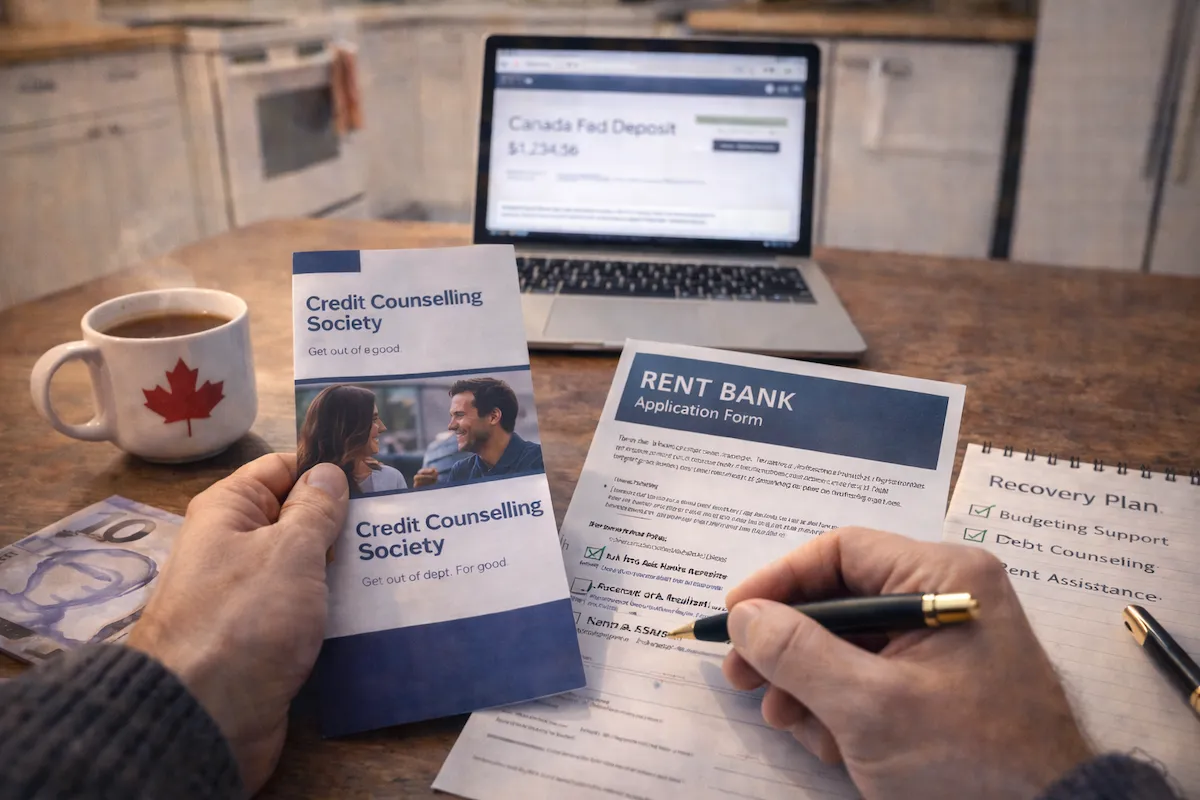
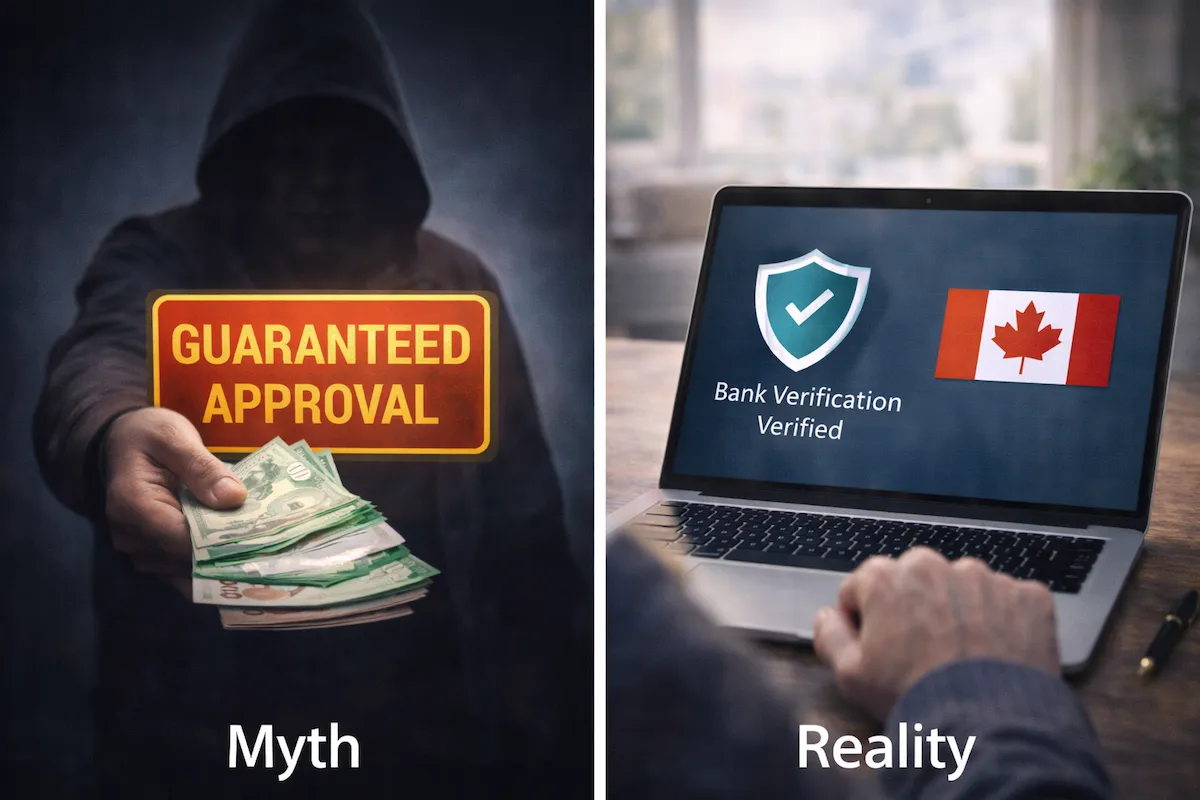
This guide reveals 5 actionable steps to clean up your application, remove the “red flags” that trigger automatic declines, and improve your chances of getting a low-income loan in Canada.
1. Master the “42% Rule” (Debt Service Ratio)
Most Canadian alternative lenders have a hard limit: your total debt payments (including rent) generally shouldn’t exceed 42% to 50% of your gross income.
The Strategy:
If you are close to this limit, do not apply for a huge loan.
Instead of applying for $5,000 (which pushes you over the limit), apply for $1,500. A smaller loan amount is much easier to approve because the monthly payment fits into your “surplus” income.
2. Eliminate the “NSF” Killer
We cannot stress this enough: NSF (Non-Sufficient Funds) fees are application killers.
If a lender scans your bank account (via IBV) and sees that you bounced a payment last week, they will decline you instantly. It signals that you are already drowning.
Action Plan:
Before applying, check your bank account. If you have an NSF fee in the last 60 days, wait. Spend the next two months ensuring every single bill clears on time. A “clean” 60-day history is worth more than a high credit score.
3. Gather the “Magic” Documents
Lenders love paper trails. If you receive benefits, having the right specific document ready can speed up approval by days.
- For CCB: Download your latest “CCB Notice” from your CRA My Account. It proves the benefit amount and that it continues for the next year.
- For ODSP/AISH: Have your most recent “Statement of Assistance” (pay stub) ready.
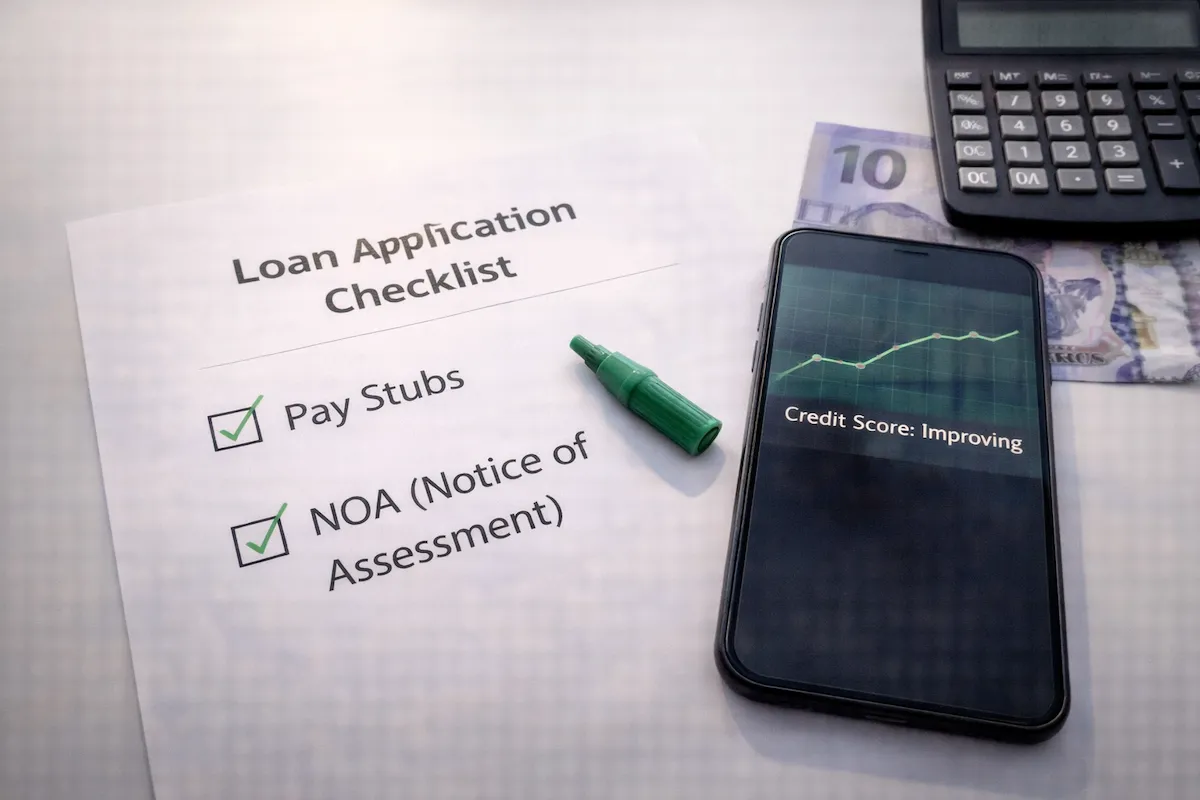
- For Taxes: Have your most recent Notice of Assessment (NOA) available. This is the ultimate proof of income for lenders.
4. Boost Income (Even Small Amounts Count)
Did you know lenders can count “gig economy” work as income if it’s consistent?
If you drive for Uber Eats or sell items on Etsy, deposit that money into your main bank account (not a separate PayPal account).
Why? When the lender’s software scans your account, it sees these deposits as “revenue.” An extra $200/month can be the difference between a “Decline” and an “Approve.”
5. Stop the “Spray and Pray”
Do not apply to 10 lenders at once. This is a rookie mistake.
Every application puts a “hard inquiry” on your credit file. If a lender sees you applied for 5 loans yesterday, they will assume you are desperate and high-risk.
The Fix: Do your research, pick one lender that specializes in low income (like easyfinancial or Money Mart), and submit one complete, high-quality application.
Conclusion: It’s About Presentation
Getting approved on a low income isn’t luck; it’s preparation. By lowering your requested loan amount, cleaning up NSF fees, and having your CRA documents ready, you show the lender that you are a responsible borrower, regardless of your income size.
Still not sure if borrowing is right for you? Check our guide on safer alternatives for low-income Canadians before you decide.