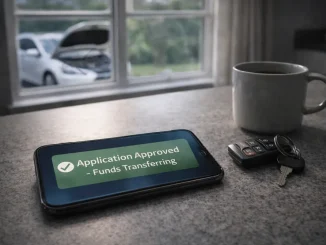
But here is the trap: for small amounts, the fees often hurt more than the interest. Paying a $150 establishment fee on a $300 loan means you are instantly losing 50% of the value. That is expensive money.
Before you sign a contract that leaves you poorer next week, check these cheaper (and often free) alternatives to small personal loans in NZ.
The Danger Zone: Borrowing for Essentials
If you are borrowing small amounts to pay for food, rent, or power, you are in a “debt spiral.”
A loan is a one-time fix for a recurring problem. Next week, you will still need food, but now you will also have a loan repayment to make. This is why financial mentors advise against using high-interest debt for daily living costs.
Negotiating Bills (The Interest-Free Option)
Did you know that asking for a payment extension is essentially getting an interest-free loan from your provider?
Power and Internet
NZ power companies have a responsibility under the “Consumer Care Guidelines” to help customers in hardship.
Action: Call them. Ask to spread your bill over 4 weeks or delay the due date by 14 days. They almost always say yes if you ask before disconnection.
Rent Arrears
If you are short on rent, talk to your landlord immediately. Offer to pay what you can now (e.g., $200 of the $300) and pay the rest next week. Most landlords prefer a plan over finding a new tenant.
Community and Government Support
There are safer lending options designed specifically for people on low incomes or in tight spots.
Good Shepherd (No Interest Loans – NILS)
This is the gold standard for small loans in NZ. You can borrow up to $2,000 with zero interest and no fees.
- Use it for: Car repairs, medical/dental costs, new appliances, or laptops for school.
- How to apply: Through community providers like the Salvation Army or Aviva.
Work and Income (Recoverable Assistance)
You don’t need to be on a benefit to get help. If you have an essential emergency cost, WINZ can lend you the money interest-free. You repay it slowly from your wages.
The 7-Day Financial Recovery Plan
Need to bridge a gap of $300? Try this plan before applying for a loan:
Day 1: The “Audit”
Check your bank app. Cancel any subscription (Netflix, Spotify, Gym) you haven’t used in 7 days. This saves $30-$50 instantly.
Day 2: Use a Food Bank
Visit a local Pātaka Kai or Food Bank. Getting a free food parcel saves you $100+ at the supermarket, which is cash you can use for your bill.
Days 3-5: The “Quick Sale”
Sell something on Facebook Marketplace. An old phone, a heater you don’t use, or kids’ clothes. Selling $50 worth of items is faster and cheaper than applying for a loan.
Day 6: Ask for a Hardship Grant
If you still can’t make ends meet, apply for a Special Needs Grant from WINZ for food or urgent costs.
Conclusion: There Is Always Another Way
Small loans are convenient, but convenience costs money. By negotiating with your bill providers or using community loans like NILS, you can solve your short-term problem without paying a cent in interest.
Always pause and explore these options before you click “Apply” on a high-cost loan website.