Alternative lenders want to see stability and affordability. Even if you have a consumer proposal on your file, you can significantly boost your chances by tidying up your banking habits before you apply.
This step-by-step guide walks you through the exact improvements you can make to turn a “Decline” into an “Approved” when seeking bad credit loans in Canada.
Step 1: The “Bank Statement Detox” (Crucial)
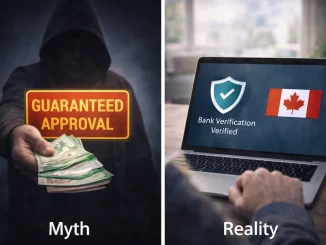
Canadian lenders use tools like Flinks or Inverite to scan your last 90 days of bank transactions. This is your “financial resumé.” Before you apply, spend 4-8 weeks cleaning up your spending habits.
The “Dealbreakers” to Remove:
- NSF Fees (Non-Sufficient Funds): This is the #1 killer of loan applications in Canada. Even one NSF fee ($45 or $48) suggests you are living on the edge. Ensure all PADs (Pre-Authorized Debits) are covered.
- Online Gambling: Transactions to sites like OLG, PlayNow, or offshore casinos are a major red flag. Stop completely for at least 60 days before applying.
- Overdraft Usage: Constantly living in your overdraft limit shows a lack of cash flow. Try to keep a positive balance, even if it’s small.
Step 2: Prepare Your Documents (The “Paper Trail”)
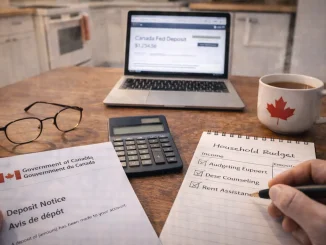
Speed impresses lenders. Having your documents ready proves you are organized and serious. Most lenders will ask for:
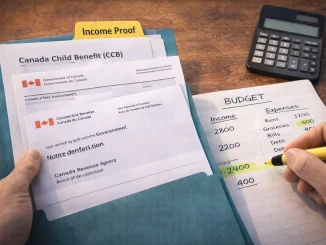
- Proof of Income: Your two most recent pay stubs. If you receive benefits, have your statement letters for CCB (Canada Child Benefit) or CPP ready.
- Notice of Assessment (NOA): Lenders may ask for your most recent CRA Notice of Assessment to verify your annual income, especially if you are self-employed.
- Government ID: A clear photo of your Driver’s Licence or Provincial ID card.
Step 3: Ask for What You Need, Not What You Want
A common mistake is asking for a round number like “$5,000” when you only need $1,200 for car repairs.
The Strategy: Calculate the exact amount you need. Applying for a smaller amount increases the likelihood that your “surplus income” (money left after rent/bills) can cover the payments. It shows the lender you are borrowing responsibly.
Step 4: Timing is Everything
When you apply matters as much as what you apply for.
- Employment Probation: If you started a new job 3 weeks ago, wait until you pass your 3-month probation period. Lenders view income during probation as “unstable.”
- Recent Address Change: If you just moved, update your address with your bank and on your ID before applying. Inconsistencies in address data can trigger fraud checks.
Step 5: Stop the “Shotgun” Approach
Do not apply to 5 different lenders in one day hoping one will say yes. This is called “credit seeking,” and it ruins your score.
Every application leaves a “hard inquiry” on your Equifax or TransUnion file. If a lender sees you have applied everywhere, you look desperate for cash. Choose one lender who specializes in bad credit options and put all your effort into that one application.
Conclusion: Preparation Pays Off
You can’t change your credit history overnight, but you can change how trustworthy you look today. By detoxing your bank statement of NSF fees, organizing your CRA documents, and applying strategically, you give yourself the best possible fighting chance.
Ready to try again? Make sure you have checked our list of safer alternatives to borrowing first to ensure a loan is truly your best option.