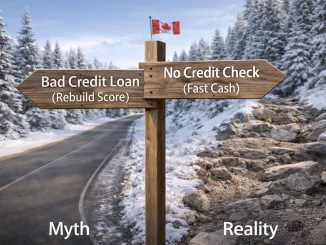
The reality is that approval is possible, but the rules are different. Major banks (like RBC or Scotiabank) may say no, but a wide range of alternative lenders specialize in helping borrowers with scores under 600.
This guide explores the legitimate bad credit loan options available in Canada, separates the helpful lenders from the predatory ones, and outlines the risks you need to know.
What Exactly is “Bad Credit” in Canada?
In Canada, credit scores range from 300 to 900. While every lender has their own cutoff, “Bad Credit” typically generally refers to:
- Score: Anything below 600 (Equifax or TransUnion).
- History: Recent missed payments, collections, or R9 ratings.
- Status: Being in an active Consumer Proposal or Bankruptcy.
Important Context: Bad credit reflects your past risk. Many alternative lenders care more about your current ability to repay (your income and budget).
Can You Legally Get a Loan with Bad Credit?
Yes. Having bad credit does not ban you from borrowing.
Alternative lenders (often called “B-Lenders”) operate legally under Canadian regulations. They are allowed to lend to higher-risk borrowers, provided they:
- Disclose the APR (Annual Percentage Rate) clearly.
- Assess your “affordability” (Debt-to-Income ratio).
- Follow the new federal interest rate cap (generally max 35% APR for installment loans).
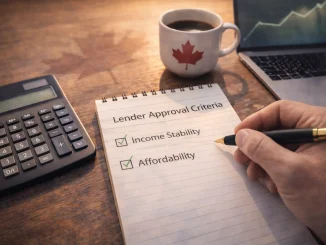
However, no lender can legally guarantee approval. To understand the decision process, read our guide on what lenders really look for when approving bad credit loans.
Realistic Loan Options available in Canada
If the big banks have declined you, these are the most common alternatives:
1. Unsecured Installment Loans
Offered by lenders like Fairstone, easyfinancial, or Mogo. You borrow a lump sum (e.g., $5,000) and repay it over 1-5 years with fixed payments.
Pro: Most report to the credit bureau, helping you rebuild your score.
Con: Interest rates are high (often 29% – 46%).
2. Secured Loans (Title Loans)
If you own a car fully, you can use it as collateral.
Pro: Easier approval because the loan is secured.
Con: If you default, you lose your vehicle.
3. Guarantor Loans
A friend or family member with good credit co-signs the loan for you.
Pro: Often gets you a lower interest rate.
Con: You put your relationship at risk if you can’t pay.
If your credit is severely damaged, you might be looking for ways to boost your odds. Check our step-by-step guide to improving your approval chances.
What Lenders Look At (The “5 C’s” of Credit)
When your score is low, lenders focus on your Capacity and Capital.
- Stable Income: Have you been employed for at least 3-6 months? (Government benefits like CPP/OAS/CCB are often accepted).
- Bank Activity: Do you have NSF fees or gambling transactions?
- Debt Load: How much of your monthly income goes to existing debt payments?
The Risks: The Cost of Being “Non-Prime”
Borrowing with bad credit is expensive. You need to be aware of the “Bad Credit Tax”:
A $5,000 loan at 9% (Bank) costs ~$500 in interest over 2 years.
A $5,000 loan at 46% (Bad Credit Lender) costs ~$3,000 in interest over 2 years.
Always ask: “Does this loan help me solve a problem, or does it create a debt trap?”
Alternatives to High-Interest Debt
Before you sign a contract at 35%+ interest, consider these safer paths:
1. Credit Counselling
Non-profit agencies (like Credit Counselling Society) can negotiate with your creditors to stop interest and consolidate payments without a new loan.
2. Secured Credit Cards
If you need to rebuild credit, getting a secured card (e.g., from Capital One or Home Trust) is safer and cheaper than an installment loan.
3. Consumer Proposal
If your debt is overwhelming (over $10,000), a Consumer Proposal might reduce what you owe by up to 80%.
For a full list of non-borrowing options, read our article on safer alternatives to bad credit loans in Canada.
Who Is This Guide For?
This guide is for Canadians who:
- Have been declined by major banks due to low credit scores.
- Are looking for reputable “B-Lenders” and want to avoid loan sharks.
- Want to understand how to rebuild their credit while borrowing responsibly.
If you are looking for loans specifically without a credit check, please refer to our guide on No Credit Check Loans in Canada.
Frequently Asked Questions About Bad Credit Loans
What is the minimum credit score for a loan in Canada?
There is no legal minimum. Major banks usually require 650+. Alternative lenders (like Fairstone) may accept scores as low as 500-550, provided you have steady income.
Do bad credit loans improve my credit score?
Yes, if you choose the right lender. ‘Installment Loans’ typically report your payments to Equifax and TransUnion, which builds your score. ‘Payday Loans’ usually do not report, so they don’t help your score.
Can I get a loan while in a Consumer Proposal?
It is difficult but possible. Most lenders will decline you until the proposal is finished. However, some specialized lenders may approve small amounts if you have rebuilt some savings and have stable income.
Are bad credit loans safe?
Reputable bad credit lenders (installment lenders) are safe and regulated. However, the market also contains predatory lenders. Always check if the lender has a license in your province and if the APR is clearly stated.