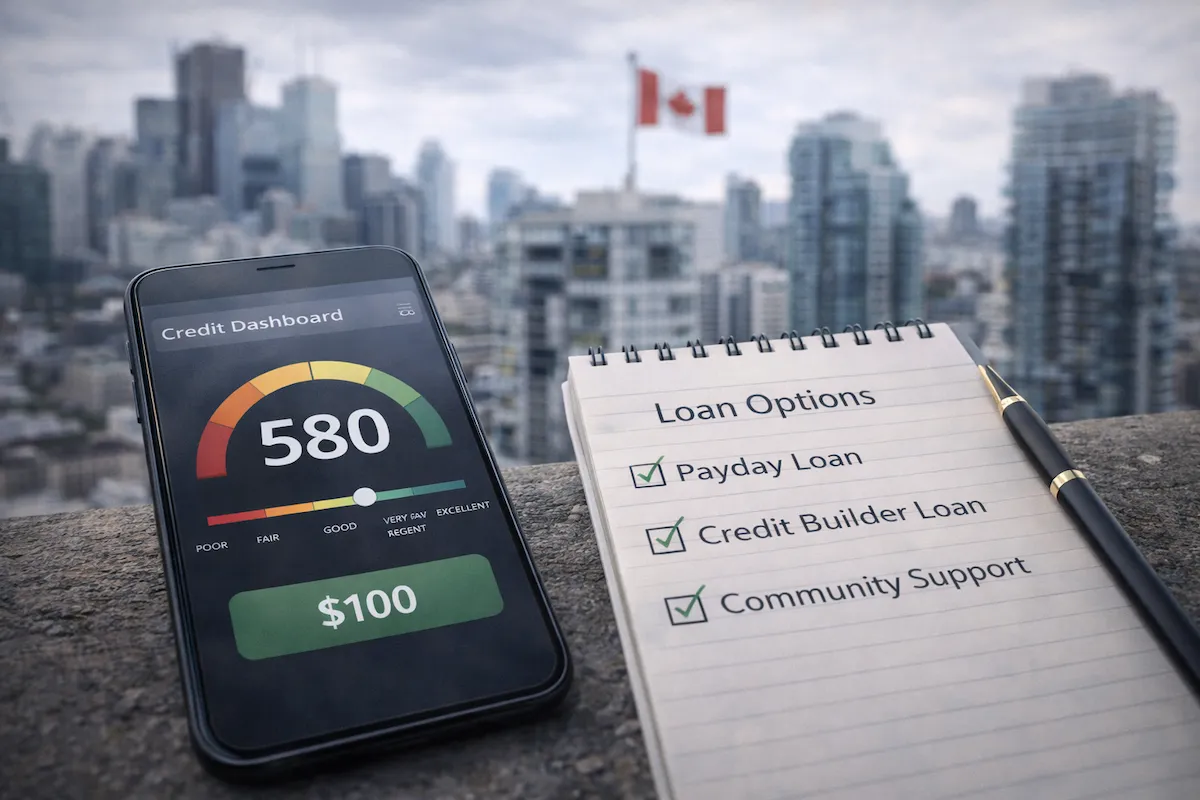
This guide takes you behind the scenes to explain exactly how Canadian lenders make decisions, why some applications with bad credit get approved while others don’t, and how you can position yourself for a “Yes” when exploring bad credit loan options in Canada.
Why Applications Are Declined (It’s Not Just Your Score)
It is a common misconception that a decline is always due to a “bad credit score” (e.g., under 600). Often, the reason is more specific and, surprisingly, fixable. Here are the top three reasons Canadian lenders decline applications:
1. The “NSF” Red Flag
If lenders see “Non-Sufficient Funds” (NSF) fees on your bank statement, it’s a dealbreaker. It tells them you are struggling to manage your current cash flow. Even one NSF fee in the last 60 days can result in an instant decline from an automated system.
2. High Debt-to-Income (DTI) Ratio
Lenders calculate your DTI. If more than 40-50% of your monthly income already goes toward rent and existing debt payments, they cannot legally lend you more—regardless of your credit score. They must ensure you have “affordability.”
3. Income Instability
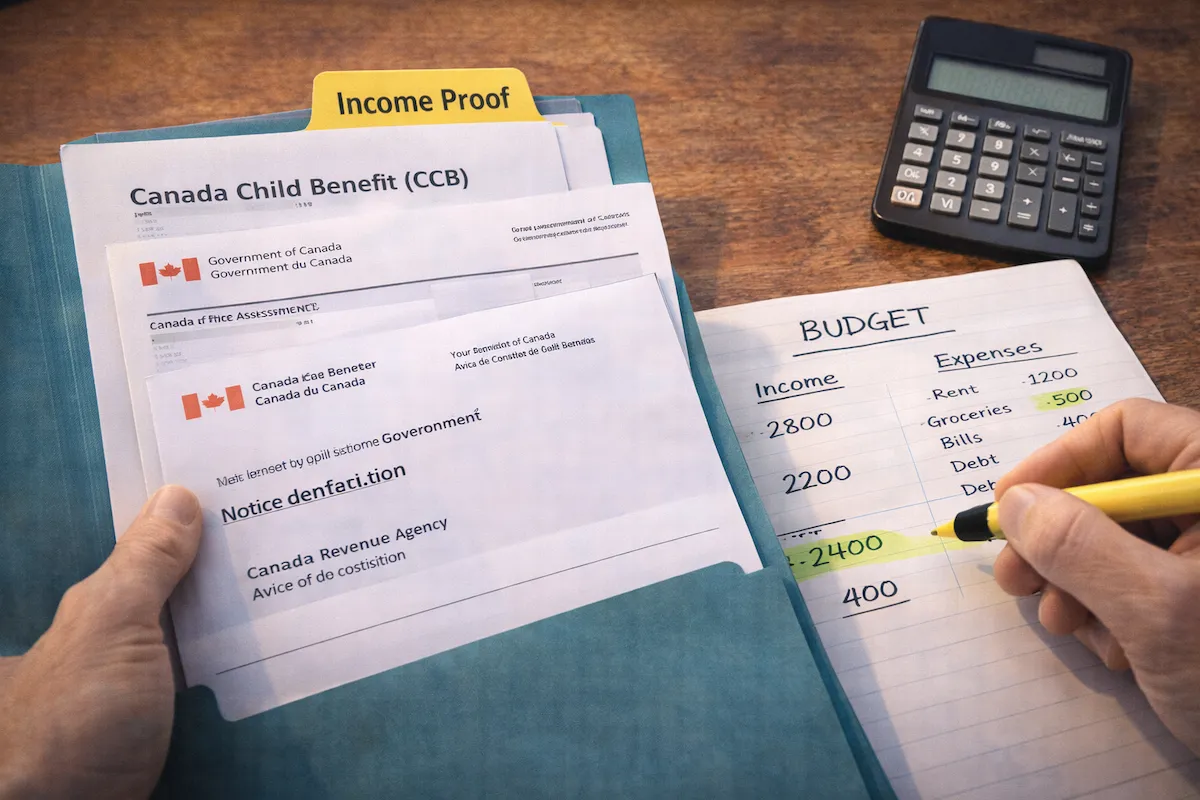
If your income varies wildly (e.g., freelance work with no regular deposits), lenders view this as high risk. They prefer to see consistent, bi-weekly deposits from a recognizable employer or government source (like CPP or CCB).
Credit History vs. Current Situation
This is the most important distinction to understand in the alternative lending market.
- Credit History (The Past): This includes R9 ratings, collections, or a Consumer Proposal from 2 years ago. It stays on your Equifax report for 6-7 years.
- Current Situation (The Present): This is your “Banking Story.” Do you have a surplus of money this month after paying rent and groceries?
The Good News: Many B-lenders in Canada care more about your Current Situation. If you can prove you have a surplus now via Instant Bank Verification (IBV), they may overlook a low credit score. This is the core principle of getting a loan with bad credit.
What Improves Your Approval Odds?
You can’t erase your credit history overnight, but you can improve your application instantly. Here is what lenders love to see:
1. Stability is King
Living at the same address for more than a year and working at the same job for more than 3-6 months proves stability. If you just moved, make sure your bank and ID details match your new address.
2. “Clean” Bank Statements
For the 90 days before you apply, keep your bank account “clean.” Avoid NSF fees, stop-payments, and excessive gambling transactions (e.g., online betting sites). Lenders use AI tools to scan for these specific keywords.
3. Government Benefits as Income
Unlike some banks, alternative lenders often accept the Canada Child Benefit (CCB), Disability Support (ODSP/AISH), and Pensions (CPP/OAS) as valid income. Ensure these are deposited directly into your bank account.
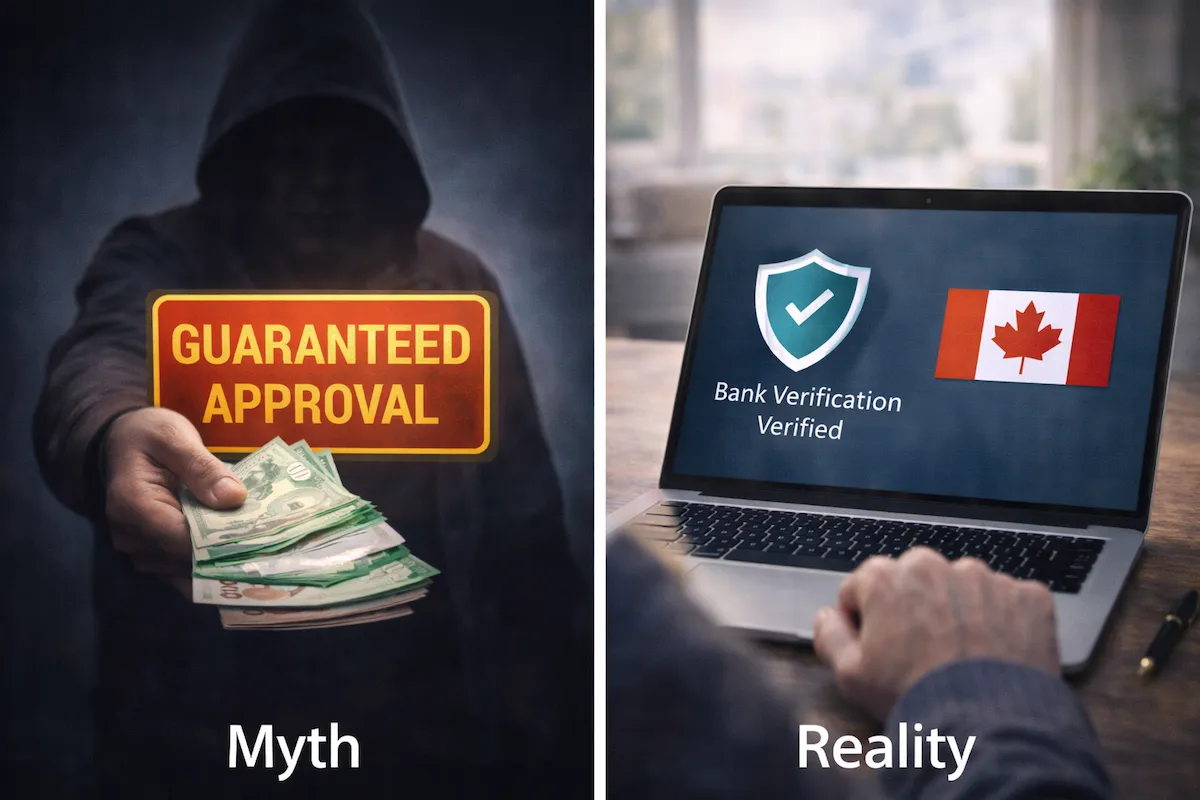
Common Myths About Bad Credit Approval
Don’t let these myths stop you from applying:
Myth: “I am on a credit ‘blacklist’.”
Fact: There is no universal “blacklist” in Canada. Each lender has its own criteria. Being declined by CIBC does not mean you will be declined by Fairstone or easyfinancial.
Myth: “Applying everywhere will find me a lender.”
Fact: This is dangerous. Every application leaves a “hard inquiry” on your Equifax file. Too many inquiries in a short time make you look desperate and lower your score further. Choose one realistic lender and apply there.
Conclusion: It’s About Preparation
Getting approved with bad credit is about showing the lender that your past mistakes are behind you. By presenting stable income, clean bank statements free of NSF fees, and a realistic budget, you significantly increase your chances of hearing “Yes.”
Ready to look at your options? Check our full guide on bad credit loans in Canada to find safe lenders.