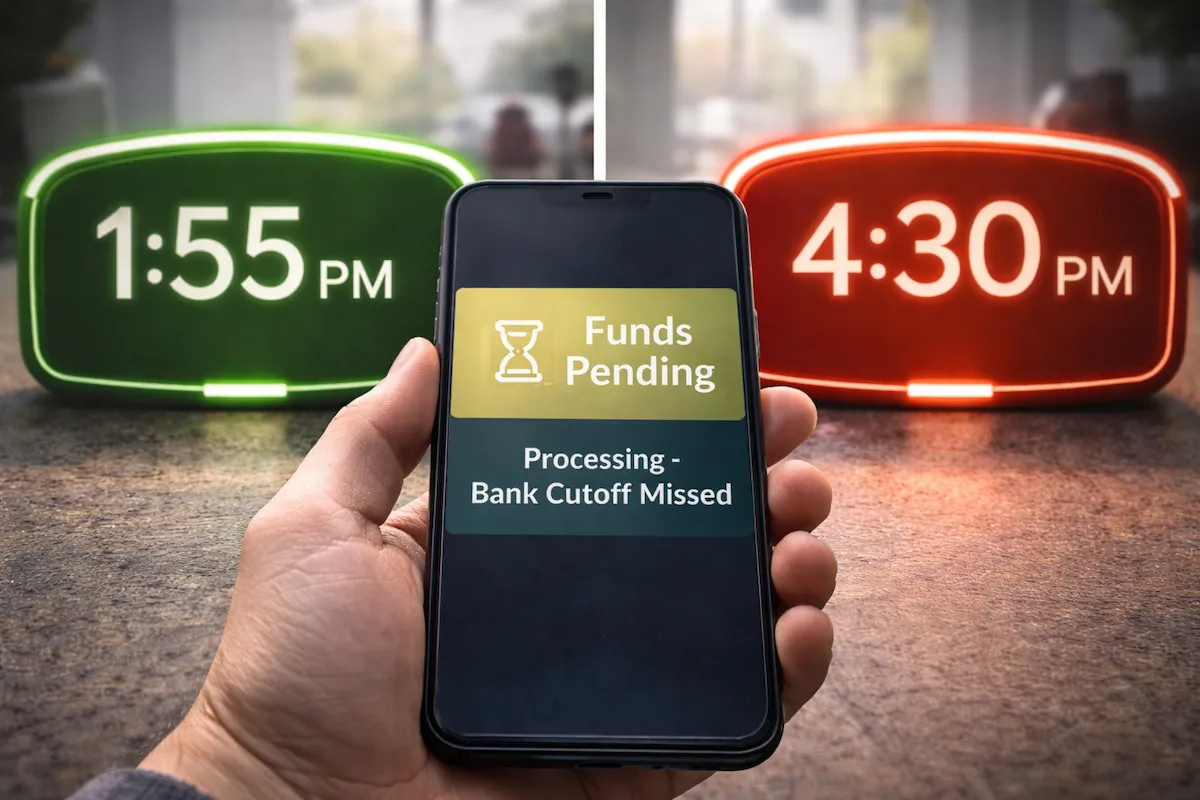
High-interest lenders know this. That is why emergency loans are often marketed with speed in mind—they want you to sign the contract before you realise how much it will actually cost you. But borrowing at 49.95% interest to solve a $500 problem often turns it into a $1,000 problem next month.
Stop. Breathe. You have options you might not know about.
New Zealand has a robust safety net of government assistance and community finance initiatives designed specifically for these moments. This comprehensive guide explores the safer, cheaper, and often interest-free alternatives to taking out a risky emergency loan.
The Hidden Cost of “Fast Cash” Loans
Before we look at the alternatives, it is crucial to understand why avoiding an emergency loan is the best financial decision you can make.
If you borrow $500 for 4 weeks from a high-cost lender:
- Establishment Fee: You might pay $150 upfront.
- Interest: At 49.95% p.a., the interest adds up quickly.
- Default Fees: If you miss one payment because the loan left you short, you get hit with $30+ fees every time.
Suddenly, that $500 grocery run costs you $750+. The alternatives below cost you $0 in interest.
Work and Income (WINZ) Assistance
Many New Zealanders assume WINZ is only for beneficiaries. This is false. Even if you are working full-time on a low income, you may be eligible for emergency help.
Recoverable Assistance Payments (RAP)
This is essentially an interest-free loan from the government. It is designed to help with essential, immediate costs that you cannot pay yourself.
- What it covers: Car repairs (if needed for work), appliances (fridge/washing machine), school uniforms, or bond money.
- The Cost: You pay back exactly what you borrow. No interest. No establishment fees.
- Repayment: Small weekly amounts are deducted from your wages or benefit.
Special Needs Grants (Food & Dental)
If you have no food or need urgent dental treatment for pain relief, you can apply for a Special Needs Grant.
- Food Grants: Usually do not need to be paid back.
- Dental Grants: Up to $1,000 for essential dental work (often non-recoverable, meaning it’s free).
How to Apply: You can apply via MyMSD online or call their contact centre (0800 559 009). Be prepared to provide bank statements showing you have no cash available.
Community Finance: The “Good Loans”
If you don’t qualify for WINZ support but still can’t get a bank loan, do not go to a payday lender yet. Look for “Community Finance” providers.
Good Shepherd NZ (NILS)
Good Shepherd offers No Interest Loans (NILS) of up to $2,000. These are safe, fair loans supported by BNZ and the Ministry of Social Development.
- Interest Rate: 0%. You pay back only what you borrow.
- Fees: $0. No establishment fees.
- Purpose: Car repairs, medical costs, technology for school, or household items.
- Eligibility: You must have a Community Services Card or be on a low income, and be able to afford the repayments.
Providers like the Salvation Army, Aviva, and Presbyterian Support often administer these loans.
Negotiating Your Bills (You Have Rights)
If your “emergency” is an overdue bill, borrowing money to pay it is often unnecessary. NZ consumer laws protect vulnerable customers.
Power & Gas
Under the Electricity Authority’s “Consumer Care Guidelines,” power companies must help customers who are struggling. Call them and say: “I am in financial hardship and cannot pay my bill this week.”
They can offer:
- Payment Extensions: Delaying the due date by 1-2 weeks.
- SmoothPay: Spreading high winter bills over the whole year.
- Referral to Credits: Some retailers have “credits” they can apply to your account in hardship cases.
Rent Arrears
Talk to your landlord immediately. Offer a payment plan (e.g., current rent + $20/week towards arrears). Most landlords prefer this over the hassle of finding new tenants.
The 7-Day Crisis Plan: Stabilise Without Debt
If you need cash today, try this step-by-step plan before applying for an emergency loan.
Day 1: Stop the Bleeding
Log into your banking app. Cancel any non-essential subscriptions (Netflix, Spotify, Gym). This saves $30-$50 immediately for next week.
Day 2: Access Food Support
Visit a local Pātaka Kai (Open Pantry) or Food Bank. Saving $150 on this week’s grocery shop is exactly the same as earning $150 tax-free.
Day 3: Call Your Creditors
Call anyone you owe money to this week (finance companies, power). Ask for a “hardship variation” to skip one payment. This frees up cash for your emergency.
Days 4-7: The “Spring Clean” Sale
List unused items on Facebook Marketplace. Cash from selling an old bike, phone, or clothes is the fastest way to get money without paperwork or interest.
Free Financial Mentoring
You don’t have to figure this out alone. MoneyTalks (0800 345 123) is a free helpline that connects you with financial mentors in your area.
A mentor can:
- Sit down with you and review your debts.
- Speak to lenders on your behalf to stop interest.
- Help you access food grants and other local support.
This service is 100% free and confidential.
Conclusion: The Best Loan is No Loan
Emergency loans should always be the absolute last resort. In New Zealand, the support system is designed to catch you when you fall.
By using interest-free options from WINZ or Good Shepherd, or simply negotiating with your providers, you can solve the crisis without selling your future income to a high-interest lender.
Frequently Asked Questions About Emergency Assistance
Do I have to be on a benefit to get a food grant from WINZ?
No. You can apply for a Special Needs Grant for food even if you are working, provided you meet the income and asset limits and have an essential need you cannot meet.
What is the difference between a Food Bank and a Food Grant?
A Food Grant is money loaded onto a payment card by Work and Income to buy groceries at a supermarket. A Food Bank (like City Mission or Salvation Army) gives you a physical parcel of food and groceries for free.
Can I get a Good Shepherd No Interest Loan for a holiday?
No. These loans are strictly for essential goods and services, such as car repairs, medical costs, or household appliances. They are designed to improve your quality of life, not for luxury spending.
Will asking for hardship help affect my credit score?
Generally, no. Asking for a “hardship variation” or a payment plan with your utility provider does not negatively impact your credit score, whereas taking out a high-interest loan and missing a payment definitely will.