Having bad credit does not automatically disqualify you from getting a loan in New Zealand. Many non-bank lenders specialise in helping Kiwis who have a poor credit history but a stable income.However, reality check: options are more limited, approval is never guaranteed, and strict affordability checks still apply.
This guide explains what is actually possible, how lenders assess you today, and the safer alternatives you should consider before applying.
What Does “Bad Credit” Actually Mean in NZ?
In New Zealand, “bad credit” isn’t just a label; it is a record of your financial history held by credit bureaus like Centrix, Equifax, or Illion. Typically, you might fall into this category if you have:
- Defaults: Overdue payments (over $100) that have been overdue for more than 30 days and reported.
- Missed Repayments: Late payments on credit cards, hire purchases, or utility bills.
- Insolvency or NAP: A history of No Asset Procedure or bankruptcy.
- Multiple Enquiries: Applying for too many loans in a short time.
Key Takeaway: Bad credit reflects your past. While it affects your risk score, many lenders are more interested in your current ability to pay.
Can You Legally Get a Loan with Bad Credit in NZ?
Yes. There is no law preventing lenders from offering loans to people with bad credit. The legal requirement under the Credit Contracts and Consumer Finance Act (CCCFA) is that the lender must lend responsibly.
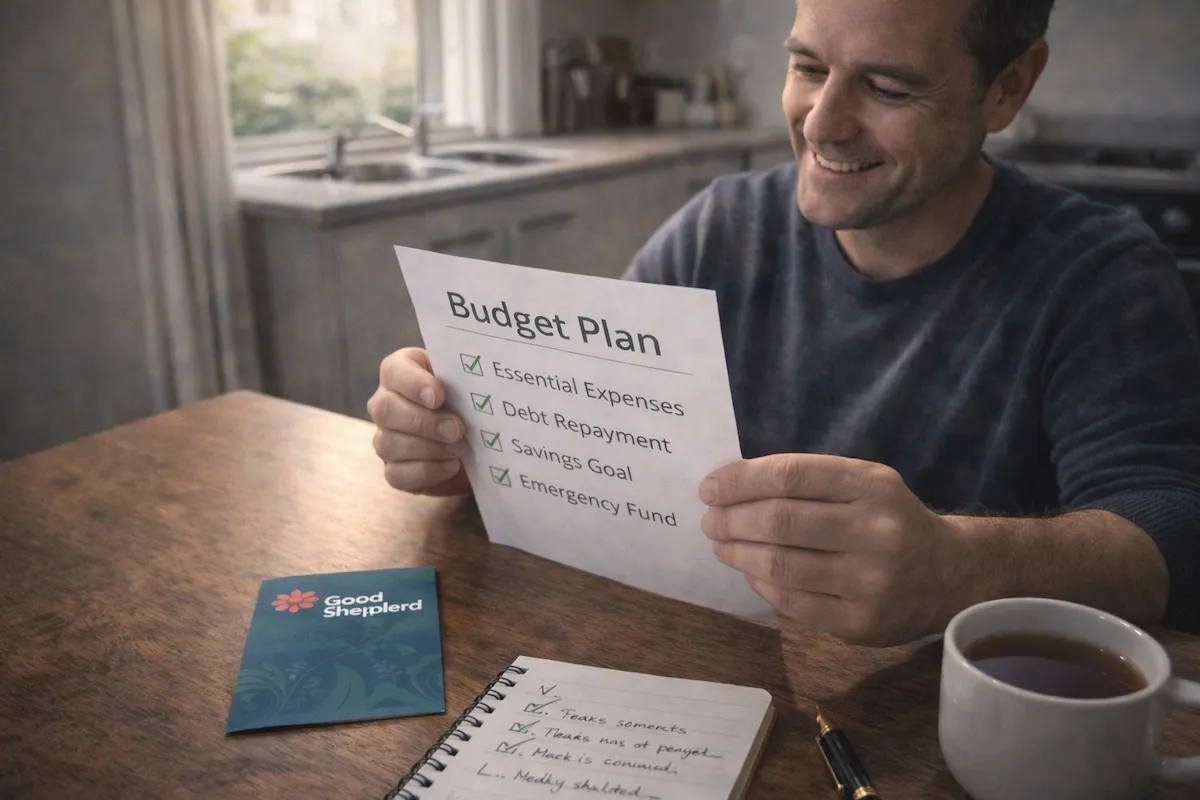
This means they must verify that you can afford the repayments without suffering substantial hardship. If you have a regular income and a budget surplus, you can legally be approved, even with a low credit score.
However, approval is not automatic. Learn more about can you actually get approved with bad credit in NZ? to see where you stand.
Realistic Loan Options for Bad Credit Borrowers
If the main banks have said “no,” here are the types of loans typically available in the alternative lending market:
1. Small Personal Loans (Unsecured)
Some finance companies offer unsecured loans (usually up to $2,000) with higher interest rates to offset the risk. These are often short-term.
2. Secured Loans (Using a Car)
This is the most common option. By using your vehicle as security, you lower the lender’s risk. This often results in a higher approval chance and a slightly lower interest rate compared to unsecured options.
3. Guarantor Loans
If your credit is very poor, you might need a guarantor—someone with good credit who agrees to pay the loan if you cannot.
Reality Check: Large, long-term personal loans (e.g., $10,000+ over 5 years) are rarely approved if you have a weak credit history. Lenders generally stick to smaller, manageable amounts.
What Lenders Look At (Beyond Your Score)
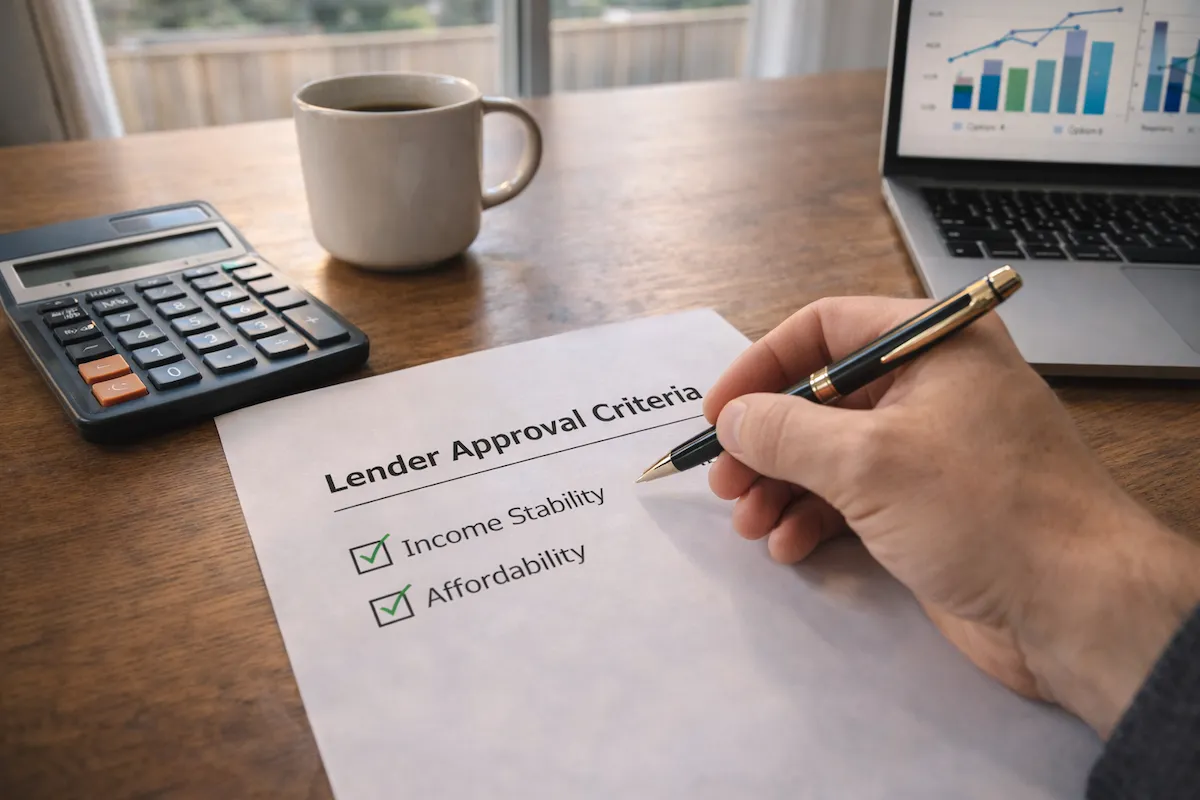
If your score is low, lenders will focus heavily on your affordability. They will check:
- Regular Income: Whether from employment or a permanent benefit (like Superannuation).
- Income Stability: Have you been receiving this income consistently for at least 3 months?
- Bank Statement Conduct: Are there gambling transactions, unarranged overdraft fees, or bounce-backs? These are major red flags.
- Existing Debts: How much of your weekly income already goes to other debts?
In many cases, affordability matters more than your credit score alone. If you have a surplus, you have a chance.
The Risks: What You Need to Know
Borrowing with bad credit comes with specific risks that you should weigh carefully:
- Higher Costs: Because you are seen as “higher risk,” interest rates can be significantly higher (often between 15% and 49% p.a.).
- Shorter Terms: You may have to repay the loan faster, which means higher weekly repayments.
- The Debt Cycle: Taking a high-interest loan to pay off another debt often leads to a spiral of borrowing.
Avoid any lender promising “Guaranteed Approval.” This is a major warning sign of a predatory lender or scam.
Alternatives to Borrowing with Bad Credit
Sometimes, the safest financial decision is not to borrow at all. Before you apply, consider these options:
1. Negotiate Hardship Arrangements
If you are struggling to pay a bill, contact the provider immediately. Most NZ companies have hardship teams that can set up payment plans.
2. Financial Mentoring
Services like MoneyTalks offer free advice. They can help you restructure your budget and advocate for you with creditors.
3. Work and Income Support
Check if you are eligible for any recoverable assistance grants for essential costs. These are interest-free.
For a full list of options, read our guide on alternatives to bad credit loans in NZ.
Who Is This Guide For?
We wrote this guide for:
- Kiwis with bad credit who need honest, transparent information.
- People who have been repeatedly declined and want to understand why.
- Those looking for safer financial decisions, not just “quick cash.”
If you decide to proceed, ensure you have a clear plan to meet the repayments to avoid damaging your credit file further.
Frequently Asked Questions About Bad Credit Loans
What is the easiest loan to get with bad credit in NZ?
Secured loans (where you use a car as collateral) are generally easier to get approved for because they carry less risk for the lender. Small, short-term loans also have higher approval rates than large personal loans.
How much can I borrow if I have bad credit?
It depends on your income and expenses. Typically, bad credit loans are for smaller amounts, often between $500 and $2,000 unsecured, or up to $5,000+ if secured against a vehicle.
Will checking my eligibility hurt my credit score?
It depends. If a lender performs a “hard check,” yes, it leaves a footprint. However, checking your own score via Centrix or using a broker who does a “soft check” first will not hurt your score.
Are bad credit loans safe?
As long as you use a registered Financial Service Provider (FSP) and understand the interest rates, they are safe. However, avoid unregistered lenders (loan sharks) who do not check affordability.